
Monoculture vs Biodiverse Pastures
- Mila Lightfoot
- Nov 5, 2025
- 2 min read

Monoculture pastures, which are single-species grass fields, usually surrounded by fencing, are a common way of keeping horses and ponies today. Unfortunately, these types of pastures present several disadvantages.
Monoculture pastures often fail to provide a balanced diet, lacking essential vitamins and minerals like copper, zinc, selenium, and vitamins A and E, which are typically found in a more diverse range of plants. This can lead to various health problems, including poor hoof and joint health, impaired immune function, and muscle disorders.
Many common pasture grasses, such as perennial ryegrass, when kept short and under stress from continuous grazing, store high levels of non-structural carbohydrates (sugars and starches). Ingesting high amounts of these can lead to serious health issues like obesity, equine metabolic syndrome (EMS), and laminitis.
Horses have evolved to graze on a high-fibre, low-energy, diverse diet for long periods. Monoculture grass does not provide this natural variety, which can disrupt the balance of microorganisms in the hindgut and cause digestive upset.
Horses in monoculture pastures may not be able to express their natural foraging fully due to the limited environment. Boredom and stress related to restrictive feeding or environment can contribute to the development of abnormal behaviours, such as crib-biting or wood chewing.
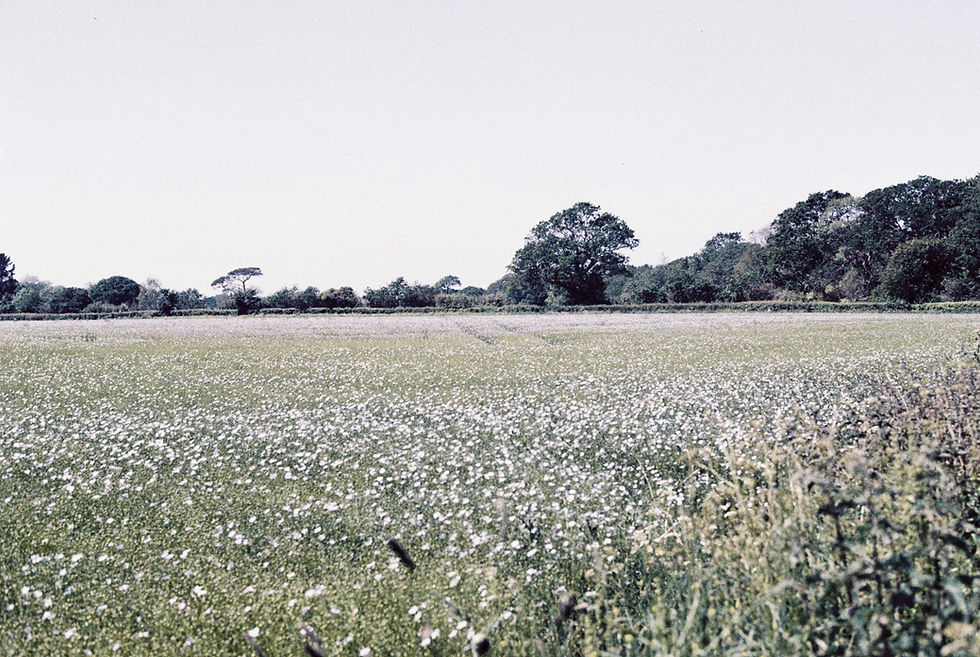
Biodiverse pastures offer significant nutritional benefits for horses, providing a broader, more natural diet that supports better gut health, a richer spectrum of vitamins and minerals, and improved metabolic balance compared to monoculture pastures.
Diverse mixes of grasses, herbs, wildflowers and plants found in natural hedgerows provide a wider range of natural minerals, vitamins and bioactive compounds. This variety ensures a more balanced intake of micronutrients that might be lacking in a single-species sward.
The varied fibre sources in biodiverse pastures support a healthier and more diverse gut microbiome, which is crucial for efficient digestion and hindgut function.
Specific plants such as clivers (cleavers) support the lymphatic system and can benefit horses with puffy legs. They also help to flush out toxins. Burdock root offers digestive, liver and kidney support, and when combined with Nettle and Clivers, works as a powerful detox.
By providing a complex and varied diet, biodiverse pastures support the horse's overall physical and mental well-being, promoting a healthier, more natural lifestyle.
Our treats have been formulated to add vitamins and essential nutrients to the diet, by including plants known to be beneficial to horses. Many of these are plants horses would naturally forage from hedgerows, if they had access to them.



Comments